
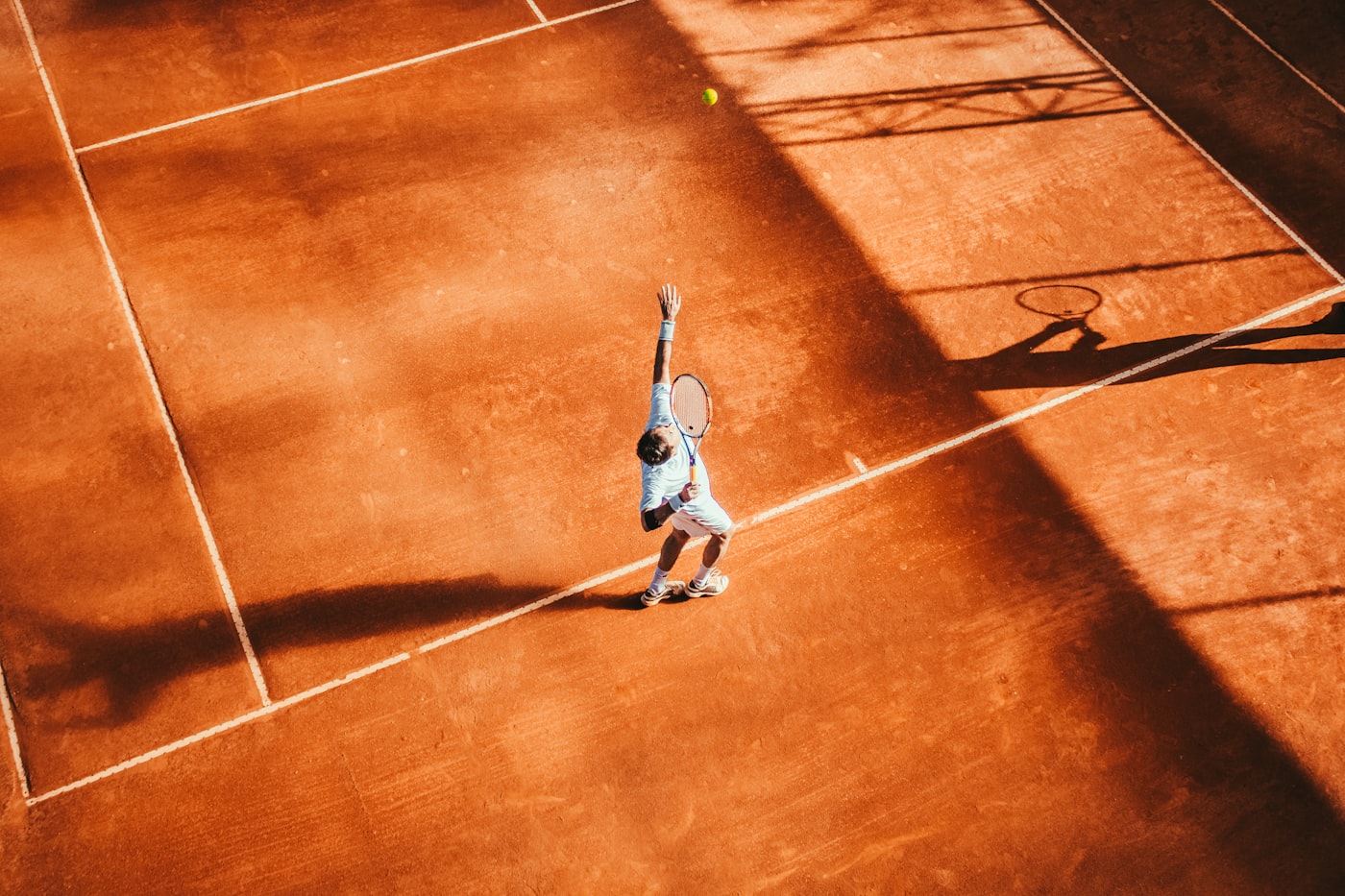
The International Padel Federation has announced that the CUPRA FIP Tour makes its debut in Pakistan, with Karachi taking centre stage. For developers, the practical meaning is simple: padel is no longer a niche import. Buyers, brokers and tenants now recognise it as a legitimate, premium sport, and a court in the brochure signals a community that is current and well planned.
But a badly planned court can hurt a scheme: one court that is always booked out, four courts that sit empty, or floodlights that generate complaints from the first row of homes. This guide gives you a planning rule, land and layout options, lighting and noise guidance, and a frank view on operating versus leasing. It comes from more than two decades of building leisure infrastructure across Pakistan.
Why a padel court for a housing society makes commercial sense
Our positioning is Recreation Sells Real Estate. A padel court is compact, visible and social. It sits on a fraction of the land a cricket ground or a full sports complex needs. It is used in the evening, when residents are home and prospective buyers visit. It also creates a reason for non-residents to enter the scheme, which is useful for plot sales and commercial frontage.
Treat it as an amenity that must earn its footprint. It will not replace a clubhouse, parks or security, but it can differentiate a scheme from the one next door that offers only a jogging track.
The planning rule: how many courts per number of plots
There is no official standard in Pakistan, so use this as a working rule of thumb. It is our planning guidance, not a published statistic:
- Under 300 units: two courts if the scheme is premium or has outside footfall. Otherwise, hold the land and build in phase two.
- 300–800 units: two courts.
- 800–1,500 units: three to four courts.
- 1,500+ units, or a scheme with a town-centre or commercial component: four to six courts, ideally as a single club block.
Two principles sit behind the numbers. First, never build a single court. It limits tournaments, coaching and social play, and any maintenance downtime closes the amenity. Second, build in blocks of two, because shared infrastructure such as lighting poles, fencing, seating and drainage is cheaper per court when courts sit side by side. Reserve adjacent land so you can add courts later without redesigning the club.
Adjust the numbers for occupancy. A scheme where most plots are still empty will not support four courts on resident demand alone, so start with two and rely on a booking app and outside players to build utilisation.
Land and layout options
A padel court plays on 10 m x 20 m. With the glass and mesh enclosure, safety clearance and circulation, plan about 250–300 sq m per court. Ceiling or lighting clearance for covered courts should be at least 6–8 m. For a rough sense of scale, one kanal is about 418 sq m, so two courts with a small reception need slightly more than one kanal. These are the layouts we most often discuss with developers:
1. Standalone two-court amenity plot
Best for mid-sized societies. It needs an amenity plot of roughly 1–1.5 kanals, with a small seating area, lockers or washrooms and some parking. It is easy to lease out and easy to secure.
2. Four-court club block
Two rows of two courts, with a central spectator and cafe zone. Allow 2–3 kanals including parking. This layout draws outside players, hosts small tournaments and supports a viable operator business.
3. Integrated with a clubhouse or commercial strip
Courts placed beside a cafe, gym or retail frontage generate more spend per visit. The trade-off is noise and light close to occupied buildings, so the layout needs more care.
4. Rooftop or podium courts (malls and mixed-use)
Possible, but the structure must be designed for the load and vibration from the start. Retrofitting a roof rarely works, so involve your structural consultant early.
Orient the long axis of outdoor courts roughly north–south where possible, so low sun does not glare into players' eyes. Build a compacted, level concrete or asphalt base with a slight slope for drainage. In Karachi's coastal conditions, specify corrosion-resistant steel and coatings.
Lighting: the feature that doubles your usable hours
In Pakistan's heat, most padel is played after sunset, so lighting largely determines revenue. For club-level play, aim for around 300–500 lux on the court, using LED fixtures with proper anti-glare optics. Specify:
- Fixtures mounted along the sides, not directly behind players' sightlines.
- Shielded or asymmetric optics to limit spill into nearby homes.
- Zoned switching, so one court can run while another is off.
- Backup power for peak evening hours, because load-shedding during a paid booking is a poor customer experience.
Noise buffers: the issue that causes the most complaints
The sound of a padel ball hitting glass and the players' voices carry further than most developers expect. Plan for it at layout stage:
- Distance: keep courts about 30–50 m from the nearest bedrooms where the land allows.
- Barriers: use acoustic panels, landscaped mounds or dense planting where distance is not possible. Place any building, parking or services between the courts and homes.
- Hours: set a closing time (commonly 11 pm) in the operating rules and lease terms.
- Equipment: specify quality glass fixings and rubber isolation so frames do not rattle.
Approvals, timelines and budget
Make sure the courts sit on land already designated for recreation or amenities in your approved layout plan. If you need a change in land use or a plan revision, start that process with the relevant development authority before ordering equipment. Also confirm electrical load approvals for lighting.
A realistic timeline for a two-to-four court facility is 4–6 months: design and approvals in 3–6 weeks, imported structure and glass in 8–14 weeks, civil works in parallel, and installation in 2–3 weeks. Customs clearance and a site that is not ready on time cause most delays.
As an indicative budget, an installed court with imported glass and structure, turf, LED lighting and basic civil work typically falls in the range of PKR 7–15 million per court. Covered courts, acoustic screening, premium glass and exchange-rate movement push that figure up. Treat these as planning ranges until you have a written quote. Annual maintenance (turf brushing, sand top-up, glass and fixings checks, lighting) is commonly budgeted at a few percent of capital cost.
Operate the courts or lease them to an operator?
This decision shapes your risk, your income and your control over the amenity.
- Lease to an operator (fixed rent or revenue share): least effort for you and a predictable handover. You give up some control over pricing and resident priority. Write quality standards, closing hours and resident access into the agreement.
- Operate it yourself: full revenue and brand control, but you take on staffing, bookings, coaching and maintenance. It suits developers with an existing club or facilities-management team.
- Hybrid or management contract: you own and fund the courts, and an experienced operator runs them for a fixed fee plus a share of revenue. This is often the best balance for societies that care about their reputation.
Revenue logic is simple: courts x peak and off-peak hours x hourly rate x realistic occupancy, plus coaching, equipment, cafe and tournament income. Evenings fill first, mornings and weekday afternoons lag, so test your model at modest occupancy instead of a full-house assumption. Even if the courts only break even, remember what they are for: a visible amenity that helps sell plots and keeps residents engaged.
Mistakes we see repeatedly
- Building one court, with no room to expand.
- Placing courts beside homes to save on land cost, then facing complaints.
- Under-specifying lighting or ignoring backup power.
- Buying cheap glass and frames that fail in coastal or high-heat conditions.
- Skipping an operating plan until after construction.
Get a free site assessment from Funventure
Funventure has designed, imported and installed leisure infrastructure across Pakistan since 2003. We can look at your master plan, recommend how many courts your scheme can support, mark the best location with noise and lighting buffers, and give you a budget range and timeline. We can also help you compare operating and leasing models. Call us or request a free site assessment, and we will respond with a practical plan for your scheme.
Frequently Asked Questions
How many padel courts does a housing society need?
As a starting rule, plan one court per 300–500 residential units, and never fewer than two courts, since a pair allows matches, coaching and bookings to run in parallel. Schemes above roughly 1,500 units, or those wanting to attract outside players, should plan four courts. Funventure sizes this against your plot count, phasing and catchment during a site assessment.
How much land does a padel court need in Pakistan?
A single court plays on 10 m x 20 m, but with enclosure, clearances and circulation, plan about 250–300 sq m per court. Two courts with a small reception and seating need a little over one kanal. A four-court club with parking and a cafe typically needs 2–3 kanals, depending on layout.
How much does it cost to build a padel court for a housing scheme?
Indicatively, an installed imported court with glass walls, turf, LED lighting and basic civil work runs in the range of PKR 7–15 million per court. Covered courts, premium glass, acoustic screening and exchange-rate movement push that higher. Funventure gives a written quote after the site visit, because ground conditions and import specifications change the number.
Should a developer run the padel courts or lease them to an operator?
Lease or revenue-share if you want to avoid daily operations and need a quick, low-risk handover. Operate yourself, or through a management contract, if you want to control pricing, resident priority and the brand of the amenity. Many developers choose a hybrid: they own the courts and appoint an experienced operator on a fixed-plus-share fee.
How do you stop padel courts disturbing neighbouring homes?
Place courts at least 30–50 m from the nearest bedrooms where land allows. Where it does not, use acoustic barriers and landscaped mounds, and set closing hours, typically by 11 pm. Use shielded LED fixtures to control light spill. Funventure plans these buffers at layout stage, when they cost far less than retrofits.
How long does it take to set up padel courts in a society?
Plan roughly 4–6 months from approved layout to opening for a two-to-four court facility. Design and approvals take 3–6 weeks, import of the structure and glass takes 8–14 weeks, and civil work runs in parallel. Installation and turf take 2–3 weeks. Delays usually come from customs clearance and late site readiness.